


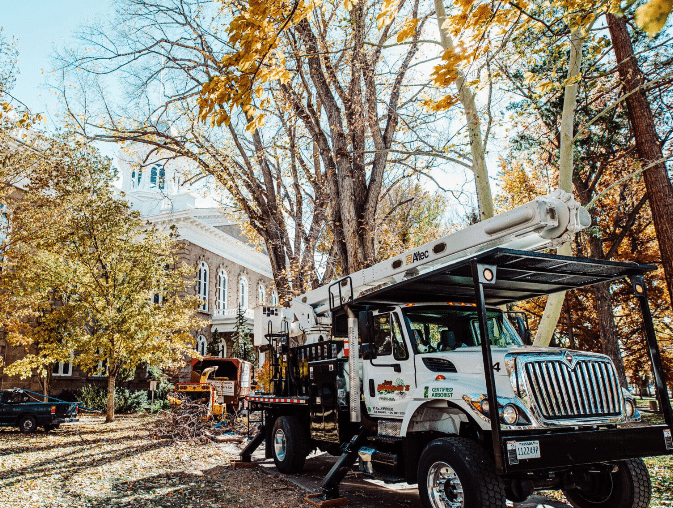
Trees are a major part of our landscapes here in Carson City and throughout Nevada, which is why plant healthcare plays such an important role in protecting them. When you start noticing thinning leaves, sticky residue, bark damage, or unusual activity around your trees, it can be hard to tell what is going on. Many of these symptoms point to pest problems that can weaken or even kill a tree if left untreated, making proactive plant healthcare essential for long term tree health.
In dry climates, certain tree pests show up more frequently than others. Below, we break down the most common tree pests in Nevada, what they look like, and how they affect your trees.
Top Tree Pests in Nevada
Several insects are especially problematic in Northern Nevada landscapes. These pests target different tree species and cause different types of damage, requiring accurate identification and a thoughtful tree pest management approach to protect your landscape.
1. Bark Beetles
Bark beetles are one of the most serious threats to pine and other conifer trees. According to the Nevada Division of Forestry, bark beetles attack stressed or drought affected trees and tunnel beneath the bark, disrupting the tree’s ability to transport water and nutrients .
Common signs include:
- Small round exit holes in the bark
- Sawdust like material around the base of the tree
- Thinning or fading needles
- Increased woodpecker activity
In severe cases, the needles may turn reddish brown as the tree declines.
2. Aphids
Aphids are tiny, soft bodied insects that feed on sap. They are common on ornamental trees and shade trees throughout Nevada.
Aphids suck sap from leaves and stems, which can cause:
- Curling or distorted leaves
- Sticky residue known as honeydew
- Black sooty mold growing on leaves
3. Borers
Wood boring insects, often called borers, attack both deciduous and evergreen trees. These pests lay eggs on the bark, and the larvae tunnel into the wood.
Look for:
- Small holes in the trunk or branches
- Cracked or peeling bark
- Branch dieback
- Woodpecker damage
Borers often target trees that are already stressed by drought, improper watering, or root damage.
4. Scale Insects
Scale insects attach themselves to branches and stems and feed on sap. They can be difficult to spot because they resemble small bumps on the bark.
Heavy infestations may cause:
- Yellowing leaves
- Stunted growth
- Premature leaf drop
- Sticky honeydew and sooty mold
Scale insects commonly affect fruit trees, ornamental trees, and some evergreens landscapes.
5. Spider Mites
Spider mites are not true insects but are closely related. They thrive in hot, dry conditions, making Nevada’s climate ideal for outbreaks.
You may notice:
- Speckled or stippled leaves
- Fine webbing on branches
- Leaf drop in severe cases
Because they are so small, infestations often go unnoticed until visible damage appears.
Why Are Nevada Trees More Vulnerable to Pests?
Nevada’s arid climate and frequent drought conditions place stress on trees. Stressed trees produce fewer natural defenses, making them more susceptible to pests like bark beetles and borers .
Improper watering, compacted soil, root damage, and extreme temperature swings can all increase pest vulnerability. Maintaining proper tree health is one of the most important steps in preventing infestations.
Can a Tree Recover From a Pest Infestation?
It depends on the pest, the severity of the infestation, and how early it is detected.
In many cases:
- Mild aphid or scale problems can be managed before long term damage occurs.
- Early detection of borers may allow for intervention.
Severe bark beetle infestations often result in tree decline or death if not addressed quickly.
The key is early identification and action.
How Can Homeowners Protect Their Trees?
Here are a few preventative steps we often recommend:
- Water trees properly, especially during drought conditions.
- Avoid damaging roots during landscaping projects.
- Inspect trees regularly for early warning signs like holes, leaf discoloration, or unusual insect activity.
- Address stress factors such as soil compaction or poor drainage.
Regular inspections can help catch problems before they become severe.
When Should You Call a Tree Professional?
If you notice:
- Small exit holes in the trunk
- Sudden needle or leaf discoloration
- Increased woodpecker activity
- Sticky residue covering leaves or surfaces below
It is time to have your tree evaluated.
At Joe Benigno’s Tree Service, we help homeowners throughout Carson City, NV identify pest problems early and determine the right course of action to protect their trees. If you are concerned about possible tree pests or want a professional inspection, contact us today to schedule an evaluation and keep your trees healthy and strong.
